- 88/56 BC Chatterjee Road, West Bengal 700123, India
- info@dmebharat.com
- +91 9830391097

Fresh Vegetables
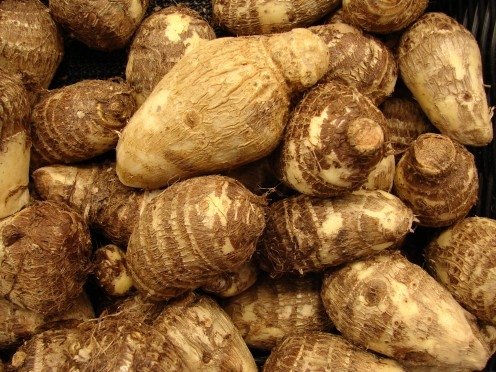
Arwi (Taro Root/Colocasia)
Arwi, also known as Taro Root or Colocasia, is a starchy root vegetable widely cultivated across India, particularly in Uttar Pradesh, Bihar, and West Bengal. This nutritious tuber has been part of Indian cuisine for centuries and is valued for its earthy flavor and versatility.
Uses:
- Curries and stir-fries (arwi ki sabzi)
- Deep-fried snacks (arwi chips)
- Traditional festive dishes
- Steamed and mashed preparations
- Pickles and chutneys
Health Benefits: Rich in dietary fiber, good source of potassium, supports digestive health, controls blood sugar, provides sustained energy, gluten-free carbohydrate.
Characteristics: Brown hairy skin, white to purple flesh inside, starchy texture when cooked, earthy flavor
Preparation Note: Must be cooked before consumption (contains calcium oxalate when raw)
Cultural Significance: Special preparation during festivals like Navratri, traditional comfort food in North Indian households.
Banana Flower (Banana Blossom)
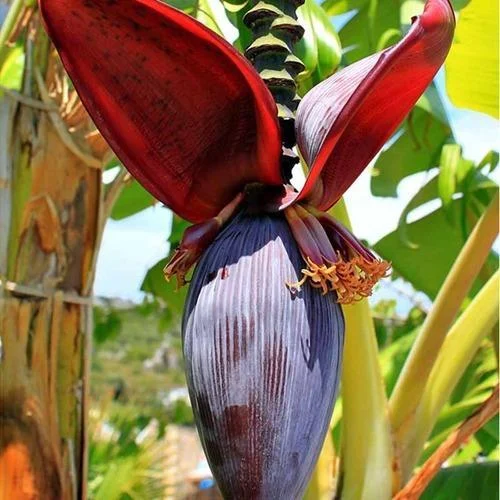
Banana Flower, also called Banana Blossom or Banana Heart, is the edible purple flower of the banana plant. Common in South Indian, Bengali, and Southeast Asian cuisines, this nutrient-dense vegetable is gaining popularity for its health benefits and unique taste.
Uses:
- South Indian curries and stir-fries
- Bengali “mochar ghonto” (traditional dish)
- Salads and raw preparations
- Fritters and pakoras
- Vegan meat substitute
Health Benefits: Rich in fiber and antioxidants, helps control diabetes, supports menstrual health, aids weight loss, improves digestion, regulates blood pressure, anti-inflammatory properties.
Characteristics: Purple outer layers, tender white heart inside, slightly bitter taste, unique texture
Preparation: Requires cleaning (removing tough outer layers), soaking to reduce bitterness
Culinary Tradition: Staple in South Indian and Bengali kitchens, considered medicinal in Ayurveda, increasingly popular in vegan cuisine.
Lemon
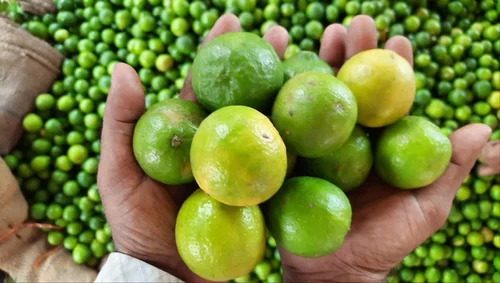
Lemon is one of India's most cultivated citrus fruits, grown extensively in Andhra Pradesh, Tamil Nadu, Maharashtra, and Karnataka. Indian lemons are known for their high juice content, strong aroma, and year-round availability.
Uses:
- Cooking and seasoning
- Fresh lemonade and beverages (nimbu pani)
- Pickle making (nimbu ka achaar)
- Salad dressing and marinades
- Natural cleaning and beauty products
Health Benefits: Extremely high in Vitamin C, boosts immunity, aids digestion, alkalizes body, supports weight loss, improves skin health, detoxifying properties.
Varieties: Kagzi lime (small), Galgal lemon (large), Eureka lemon
Characteristics: High acidity, strong citrus aroma, thin to thick skin varieties, high juice content
Season: Year-round availability (peak: June-August)
Cultural Use: Essential in Indian cooking, used in traditional remedies, religious ceremonies, and everyday beverages.
Papaya
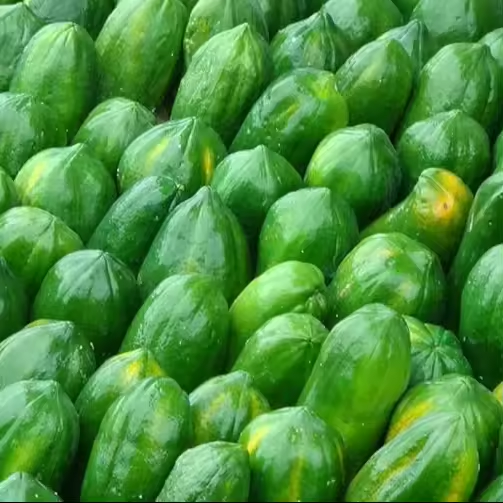
Papaya is a major tropical fruit grown across India, with Andhra Pradesh, Gujarat, Maharashtra, and Tamil Nadu being leading producers. Indian papayas are known for their sweet taste, vibrant orange flesh, and excellent nutritional profile.
Uses:
- Fresh fruit consumption
- Fruit salads and smoothies
- Papaya juice
- Green papaya curry and pickles
- Papain enzyme extraction (from raw papaya)
- Meat tenderizer (using raw papaya)
Health Benefits: Rich in Vitamin C and A, excellent for digestion (contains papain enzyme), supports skin health, boosts immunity, anti-inflammatory, aids wound healing, helps weight management.
Varieties: Red Lady, Taiwan Red, Pusa Dwarf, Honey Dew
Characteristics: Orange to red flesh, sweet taste when ripe, black seeds inside, smooth skin
Season: Year-round availability
Dual Use: Ripe papaya as fruit, raw green papaya as vegetable in Indian and Asian cooking.
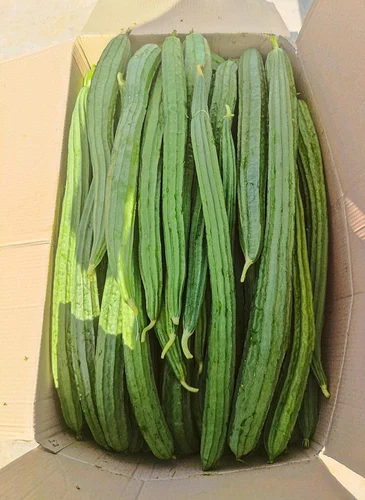
Ridge Gourd
Ridge Gourd, known as Turai in Hindi and Beerakaya in Telugu, is a popular green vegetable grown throughout India. This cylindrical gourd with ridged skin is a staple in Indian households, valued for its mild taste and health benefits.
Uses:
- Daily vegetable curries
- Stir-fries and dry preparations
- Dal (lentil soup) additions
- Stuffed ridge gourd recipes
- Traditional South Indian sambar
- Juice extraction for health remedies
Health Benefits: Low in calories, high in dietary fiber, aids weight loss, improves digestion, cooling effect on body, rich in Vitamin C, purifies blood, good for diabetics.
Characteristics: Long cylindrical shape with prominent ridges, green skin, white spongy flesh inside, mild sweet taste
Preparation: Peel ridges before cooking, quick-cooking vegetable
Season: Monsoon and summer months (June-September)
Cultural Use: Common in everyday Indian cooking, considered easy-to-digest and suitable for all ages.