- 88/56 BC Chatterjee Road, West Bengal 700123, India
- info@dmebharat.com
- +91 9830391097

GI Certified Sweets
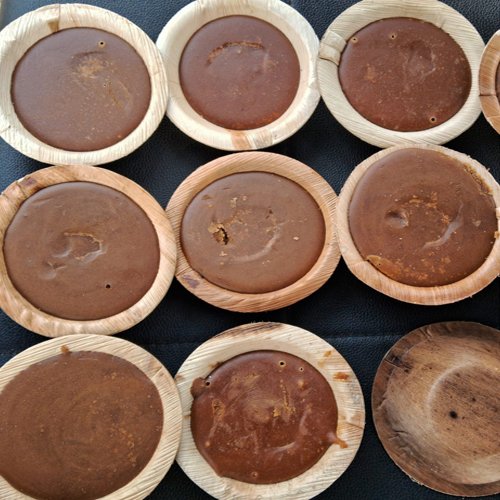
Date Palm Jaggery (Khajur Gur)
Date Palm Jaggery, known as Khajur Gur or Nolen Gur in Bengal, is a traditional winter delicacy made from date palm sap. Primarily produced in West Bengal during winter months (December-February), this artisanal jaggery is prized for its unique caramel flavor and dark brown color.
Uses:
- Traditional Bengali sweets (sandesh, rosogolla, payesh)
- Natural sweetener for tea and coffee
- Baking and dessert making
- Pancakes and breakfast items
- Direct consumption as winter treat
Health Benefits: Rich in iron and minerals, boosts immunity, natural energy source, aids digestion, purifies blood, warming effect in winter.
Production: Handmade by traditional artisans, pure and chemical-free, seasonal availability (winter only).
Varieties: Liquid (patali), semi-solid (jhola gur), solid blocks
A cultural heritage product of Bengal, used in festivals and traditional cooking.
Kolkata Rosogolla
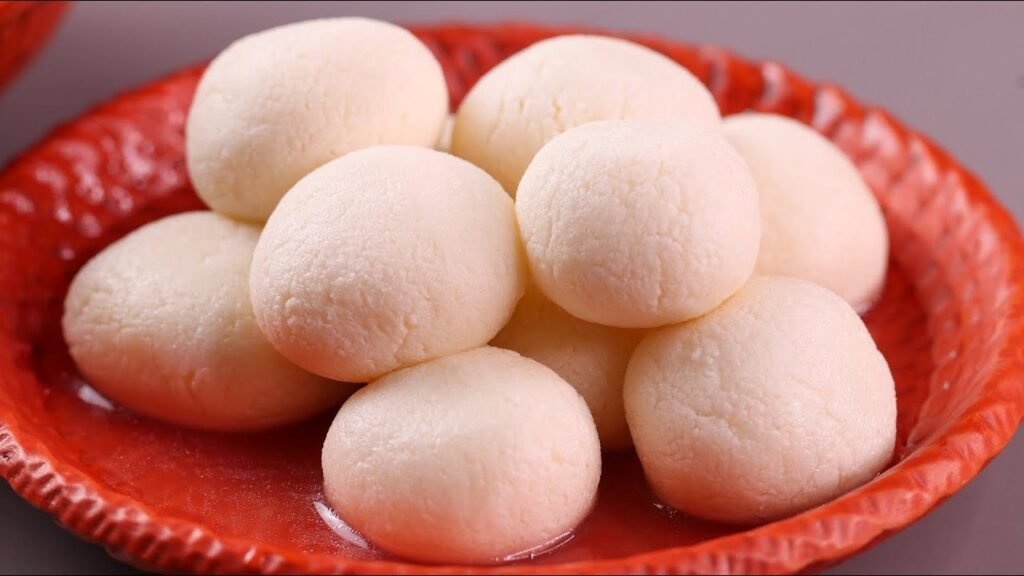
Kolkata Rosogolla is Bengal's most famous sweet, with GI (Geographical Indication) certification recognizing its authentic origin. Made from cottage cheese (chhena) and sugar syrup, this spongy white dessert was created in Kolkata and is an integral part of Bengali culture and celebrations.
Uses:
- Traditional dessert for festivals (Durga Puja, weddings)
- Gift item for special occasions
- Restaurant dessert menu
- Bengali cultural celebrations
Health Benefits: Good source of protein, contains calcium, provides instant energy, easier to digest than milk-based sweets.
Characteristics: Soft spongy texture, white color, sweet sugar syrup, melt-in-mouth feel
Cultural Significance: Symbol of Bengali identity, part of religious offerings, essential in Bengali households during celebrations.
GI certification ensures authentic preparation method and origin from Kolkata, West Bengal.
Mihidana
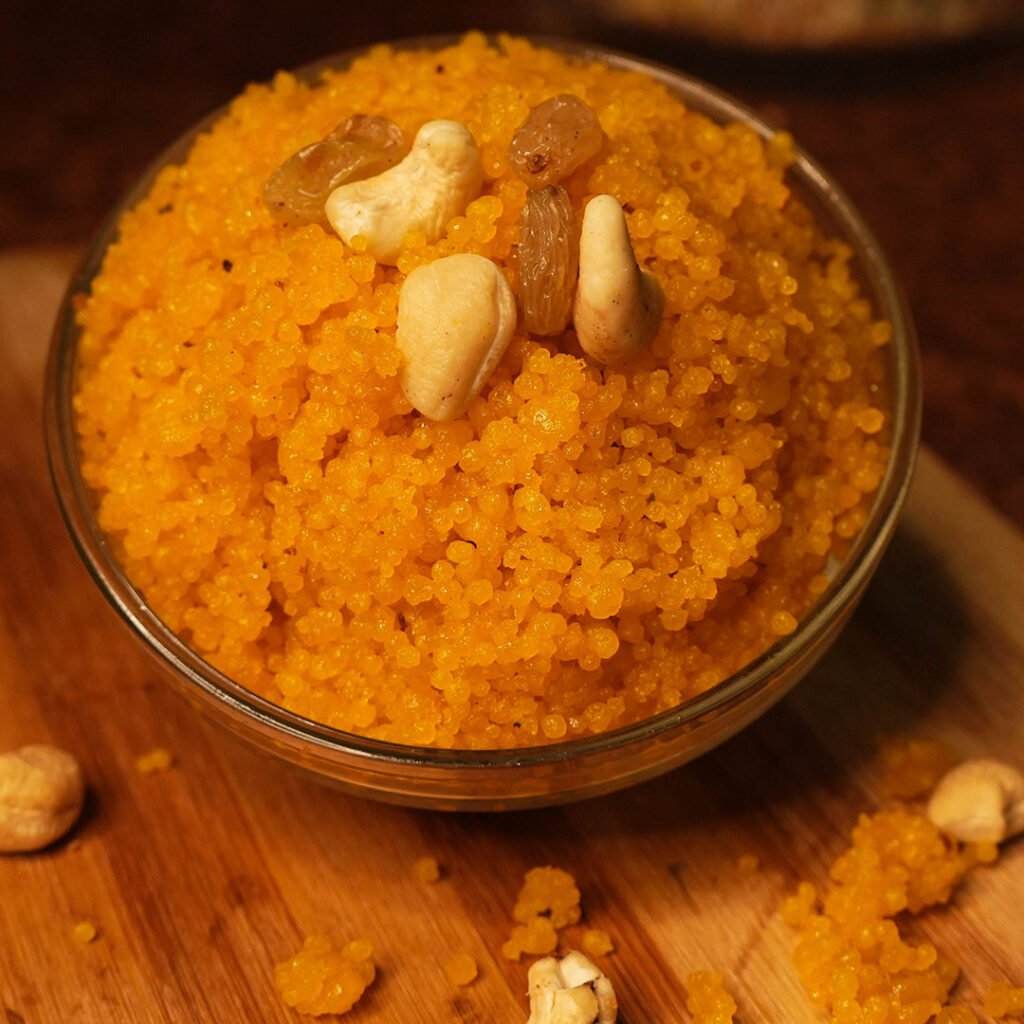
Mihidana is a GI-certified traditional Bengali sweet originating from Bardhaman (Burdwan), West Bengal. Made from fine gram flour (besan), pure ghee, and sugar, these tiny golden droplets have a crispy exterior and soft interior, creating a unique melt-in-mouth texture.
Uses:
- Festival sweet (Durga Puja, Diwali, weddings)
- Gift boxes for special occasions
- Prasad (religious offerings)
- Tea-time snack
Cultural Significance: Created over 150 years ago in Bardhaman, Mihidana is a heritage sweet with protected geographical indication. The name means “fine sugar droplets” in Bengali.
Characteristics: Golden yellow color, crispy-soft texture, sweet but not overly heavy, aromatic ghee flavor
Traditional Pairing: Often served with Sitabhog (another GI sweet from Bardhaman)
GI certification guarantees authentic preparation from Bardhaman using traditional methods and genuine ingredients.
Joynagar Moya
Joynagar Moya is a GI-certified traditional sweet made exclusively in Joynagar, South 24 Parganas district of West Bengal. This unique winter delicacy is prepared from Kanakchur rice (aromatic short-grain rice) and date palm jaggery (khejur gur), creating a distinctive caramel-colored sweet with incomparable taste.
Uses:
- Winter season specialty (December-February)
- Festival delicacy
- Cultural gift item
- Traditional Bengali celebrations
Cultural Significance: Over 100 years old recipe, made by traditional artisans during winter when date palm jaggery is fresh. Each piece is handmade using centuries-old techniques.
Characteristics: Dark brown color, crumbly-soft texture, aromatic date palm fragrance, seasonal availability
Health Benefits: Natural ingredients, no artificial colors or preservatives, nutritious date palm jaggery
GI certification protects this authentic product made only in Joynagar using traditional methods.
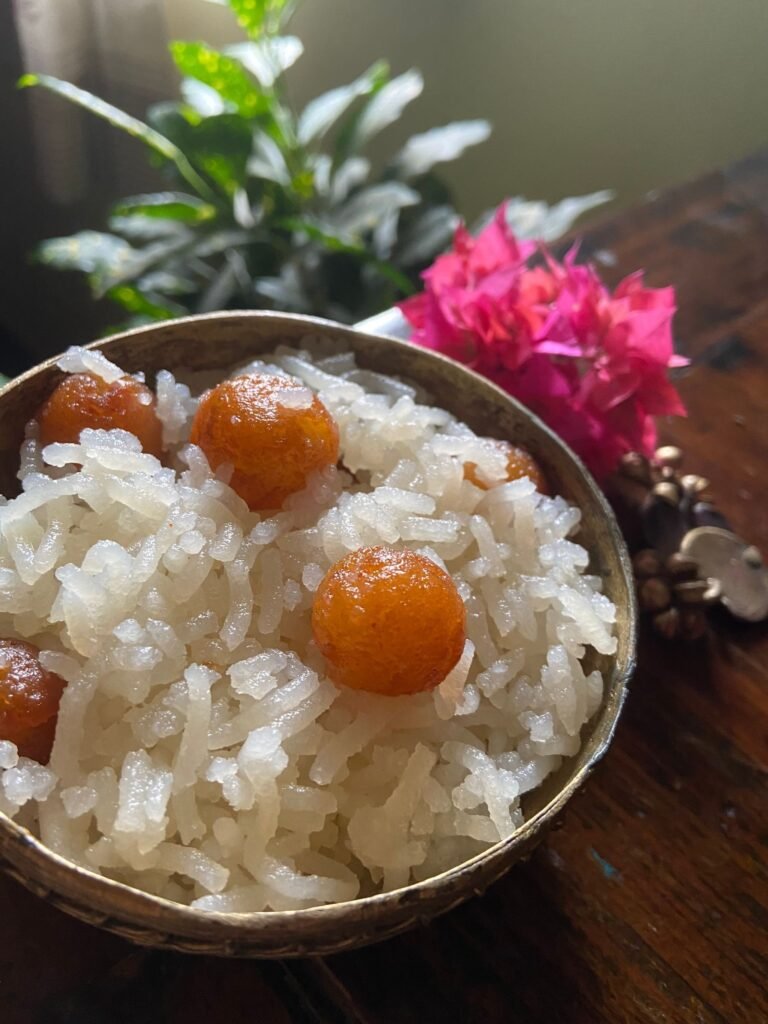
Sitabhog
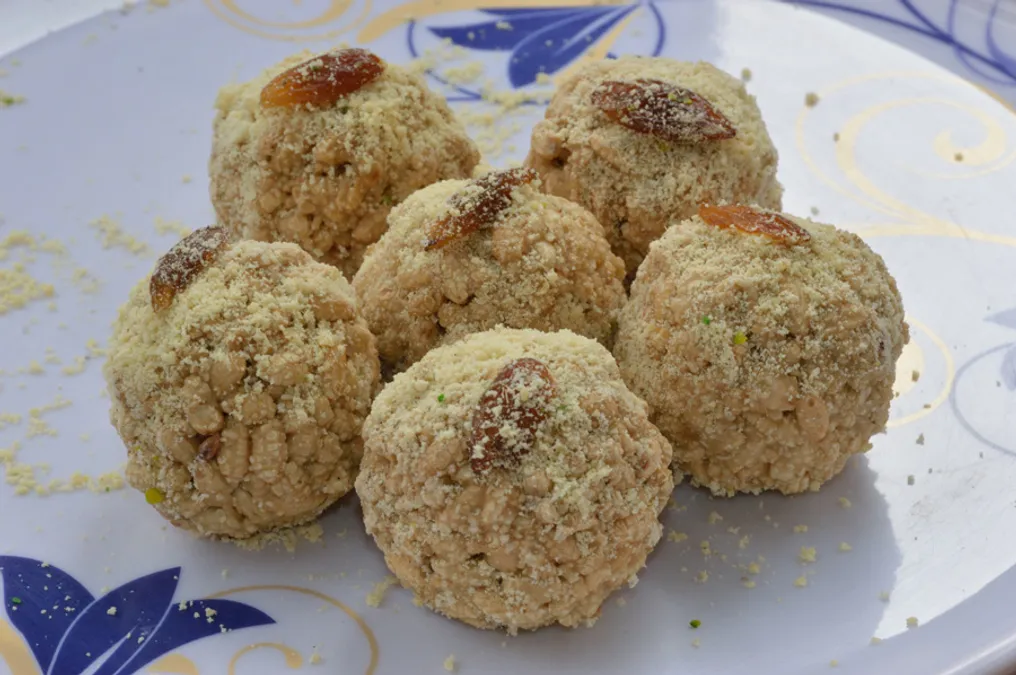
Sitabhog is a GI-certified delicate sweet from Bardhaman, West Bengal. Made from cottage cheese (chhena) and fine rice flour, this unique white-colored sweet has a smooth, grainy texture and subtle sweetness, distinguishing it from other Bengali sweets.
Uses:
- Festival celebrations and weddings
- Religious offerings (prasad)
- Gift boxes paired with Mihidana
- Special occasion dessert
Cultural Significance: Named “Sitabhog” (food of Goddess Sita), this heritage sweet has been made in Bardhaman for over 150 years. Traditional sweet-makers guard the authentic recipe passed down through generations.
Characteristics: White to pale yellow color, crumbly-soft texture, mild sweetness, delicate cottage cheese flavor
Traditional Serving: Often served alongside Mihidana as a contrasting pair – one yellow and crispy, the other white and soft.
GI certification ensures authentic preparation from Bardhaman with traditional ingredients and methods.